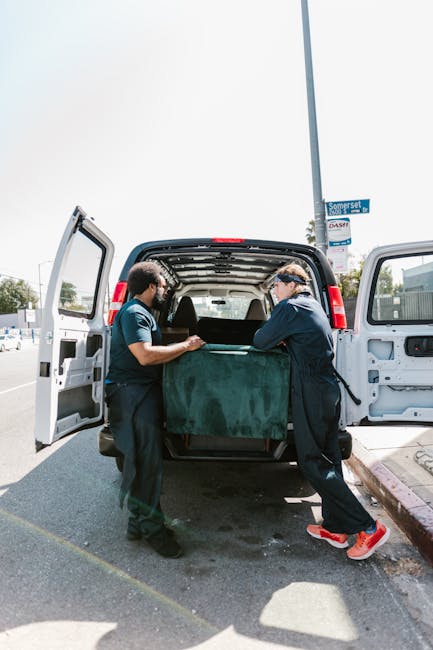
Purley Way furniture removals Croydon large item guide

If you are trying to move a sofa, wardrobe, mattress, dining table, or other bulky piece across Croydon, the process can feel more complicated than it should. This Purley Way furniture removals Croydon large item guide breaks it down in plain English: what counts as a large item, how the move usually works, what to prepare before the van arrives, and where the common headaches tend to show up. Whether you are clearing a flat, swapping out office furniture, or getting a heavy item from one side of town to the other, the goal is the same: keep it safe, keep it simple, and avoid the sort of last-minute panic nobody enjoys.
To be fair, most large-item moves are not difficult because the object is impossible to lift. They are difficult because of door frames, stairs, parking, awkward angles, and the small details that catch people out at the worst moment. That is where a bit of planning pays off.
Why Purley Way furniture removals Croydon large item guide Matters
Large furniture moves are one of those jobs that looks straightforward right up until you are standing in a hallway with a three-seater sofa that will not turn. Purley Way is a busy part of Croydon, and local journeys often involve tight access, shared buildings, shop units, residential roads, parking limits, and short loading windows. That makes planning more than a nice extra. It is the difference between a smooth move and a frustrating one.
This matters especially if your item is heavy, oddly shaped, fragile, or sentimental. Nobody wants chipped veneer, scratched walls, or strained backs. And nobody wants to discover, halfway through, that the item does not fit in the lift. A good furniture removals plan reduces risk, saves time, and helps you decide whether you need a straightforward van service, a two-person lift, or a more involved removal solution.
Expert summary: The best large-item removals are usually the ones that look almost boring from the outside. A clear route, proper measurements, the right vehicle, and a calm loading sequence tend to matter more than brute strength.
If you are comparing options, it also helps to look beyond the item itself. A move may need help with packing, short-term storage, or even a same-day solution if your replacement furniture is arriving unexpectedly. In those cases, pages such as furniture removals, man with van, and storage can give you a better sense of the wider service picture.
How Purley Way furniture removals Croydon large item guide Works
At a practical level, a large-item furniture move follows a simple pattern. First, you identify the item and the route. Then you check access, prepare the furniture, choose the right transport, and load carefully. Sounds obvious, but the details are where the job succeeds or slips.
For example, if you are moving a wardrobe from a Purley Way retail unit to a flat in Croydon, the team will normally need to know the dimensions, whether it dismantles, how much protection is needed, and whether stairs or lifts are involved. If the item is a piano, the approach becomes more specialised and you would usually expect a dedicated handling plan rather than a general lift-and-load job.
In many cases, the process also includes protective wrapping, blanketing, and route checking before the item leaves the property. That is not overcaution. That is how walls, floors, and corners stay intact. On the road, the right vehicle choice matters too. A small van may suit a single chair or compact table, while a larger load may need a proper removal vehicle, more secure stacking, or even moving truck support.
One thing people often miss: the move is not just about lifting. It is also about sequence. If you move the wrong item first, you can block the exit. If you leave loose shelves inside a cabinet, you can create damage during transit. If you skip the measurements, you may end up with a beautiful sofa sitting awkwardly in the hallway. A bit annoying, honestly.
Key Benefits and Practical Advantages
Using a structured approach for large-item removals brings several practical benefits, and not just the obvious one of getting the item from A to B.
- Less damage risk: correct wrapping, lifting, and loading reduce scratches, dents, and broken fittings.
- Better time control: knowing the access route and vehicle size helps avoid delays.
- Reduced physical strain: heavy lifting is where a lot of DIY moves go wrong, especially with stairs or narrow corridors.
- Cleaner handover: if you are leaving a property, a planned removal helps you clear the space properly and on time.
- Flexibility: you can combine the move with packing support, furniture pick-up, or storage if the timing does not line up neatly.
There is also a quieter benefit: peace of mind. Once you know the item has been measured, wrapped, and assigned the right vehicle, the whole thing stops hanging over your head. That matters more than people admit. A move with one large item can still disrupt the day if you keep worrying about it all morning.
For homes, flats, and student lets, this can be especially useful when you are juggling keys, tenants, landlords, and awkward stairwells. If that sounds familiar, you may also want to compare home moves, flat removals, and student removals to see which style of service fits the job best.
Who This Is For and When It Makes Sense
This guide is useful if you are dealing with one large item or several awkward pieces that need careful handling. Typical situations include:
- moving a sofa, bed base, or mattress after a purchase
- collecting a wardrobe, dresser, or cabinet from a store or storage unit
- relocating heavy dining furniture between homes
- moving office desks, chairs, or meeting tables
- handling bulky items during a renovation or clear-out
- shifting items into short-term storage before a larger move
It makes sense if the item is too large for a car, too awkward for a standard lift, or too valuable to risk with improvised handling. It also makes sense when you simply do not want to recruit three relatives, a borrowed blanket, and a lot of optimism. Let's face it, that plan has a limited shelf life.
If the item is especially delicate, you may need more than a standard van-and-lift arrangement. For instance, a grand piano, a slate table, or a large glass cabinet may need specialist handling and extra insurance awareness. In that case, a dedicated page like piano removals is the sort of reference that signals the right level of care.
This is also relevant for businesses. A shop refit, office move, or warehouse refresh can involve large items that must be moved quickly without interrupting trading. For those cases, commercial moves and office removals are usually better fits than a simple one-off collection.
Step-by-Step Guidance
Here is the practical version. This is the bit that saves time on the day.
- Measure the item properly. Length, width, height, and any protruding parts matter. A few centimetres can decide whether it fits through a doorway or needs dismantling.
- Measure the route. Check door frames, hallways, lifts, stair corners, and any shared entrances. If you can, measure the tightest point twice.
- Check access and parking. Purley Way and wider Croydon access can vary a lot. Think about loading space, restrictions, and whether the vehicle can park close enough.
- Decide whether dismantling is needed. Beds, wardrobes, and shelving often move better when taken apart in advance.
- Protect the item. Use blankets, shrink wrap, corner protection, or cardboard sheets depending on the finish and fragility.
- Clear the route. Move rugs, small tables, and loose objects before the team arrives. It sounds tiny, but it makes a proper difference.
- Choose the right transport. Small loads may suit a removal van or man and van; bigger or heavier loads may need a fuller removal setup.
- Load in the correct order. Heavy items should usually be secured first, with lighter or more fragile pieces protected around them.
- Confirm drop-off details. Make sure someone is available, keys are ready, and the destination access is just as clear as the pickup point.
A useful rule of thumb: if you would feel nervous carrying the item down the stairs yourself, the job probably deserves a more careful plan than you first thought.
And if you need a broader moving package rather than a single-item solution, a service such as removals or removal services is usually worth reviewing early, before the date gets too close.
Expert Tips for Better Results
Small details make the biggest difference here. These are the things that tend to separate a smooth job from a messy one.
- Take photos before dismantling. It helps later when you are putting shelves, bolts, and brackets back together.
- Keep fixings in labelled bags. One bag per item. Not glamorous, but very effective.
- Use felt or cardboard on corners. That little bit of protection can save a wall or a lacquered finish.
- Empty drawers and shelves. Even if the item looks stable, loose contents can shift and strain joints.
- Plan for turning space. Many people measure the straight route but forget the pivot at the end. That is where the drama happens.
- Have a fallback location. If the destination is not ready, know where the item can stay temporarily. Storage can be a very sensible bridge.
In our experience, it is the person who spends ten minutes checking the route who tends to have the calmest move. The person who says "it'll be fine" and starts carrying at 8:05 a.m. tends to have a different afternoon entirely.
If you are moving only one or two bulky items, a flexible service can be enough. If you are moving a whole room or more, it may be better to look at house removals or house removalists so the transport and handling are aligned from the start.
Common Mistakes to Avoid
Most large-item problems are preventable. The usual mistakes are simple, but they are costly when they happen.
- Not measuring both the item and the route. Guesswork is where avoidable damage begins.
- Assuming the lift will do the job. Lifts can be smaller than expected, and some building rules limit what can go inside.
- Forgetting parking or loading access. A good move can stall if the vehicle has nowhere practical to stop.
- Leaving the item assembled when it really should be dismantled. That extra step can save an awful lot of hassle.
- Using the wrong vehicle. A compact van is useful, but not every piece of furniture is a compact van problem.
- Skipping protection. Bare furniture against a van wall is asking for scuffs, and you usually notice it too late.
Another common slip is underestimating timing. A job that looks like twenty minutes can become an hour if there are stairs, traffic, lift delays, or an awkward turn at the landing. Better to be generous with the schedule than stressed because the keys are due back at midday.
That is also why some people choose same day removals only when the access and item details are already clear. Urgency and uncertainty do not mix especially well.
Tools, Resources and Recommendations
You do not need a warehouse full of gear, but a few practical tools make large-item furniture moves much easier.
- Measuring tape: for doors, hallways, and furniture dimensions.
- Furniture blankets: for soft protection around edges and finishes.
- Stretch wrap: useful for keeping drawers shut and holding loose doors in place.
- Straps or tie-downs: to secure items safely inside the vehicle.
- Basic tool kit: screwdrivers, Allen keys, and spare bags for fixings.
- Protective gloves: especially when handling rough edges, metal frames, or awkward surfaces.
- Floor protection: cardboard, blankets, or runners for tight indoor routes.
For readers who want a broader support setup, it can also help to combine the move with packing and boxes or packing and unpacking services. That is especially useful if you are juggling furniture with boxed contents and do not want the whole place turning into a maze of half-finished piles.
If sustainability matters to you, ask how unwanted items will be handled before they are removed. Reuse, donation, recycling, and responsible disposal are all worth discussing. The page on recycling and sustainability is a good reminder that not every item should end up as waste if it still has life left in it.
Law, Compliance, Standards, or Best Practice
Large-item furniture removals are not usually about legal complexity for the customer, but safety and care still matter. In the UK, moving heavy items should follow sensible manual handling practice, and that means planning the lift, assessing the route, and not taking stupid risks just to save five minutes. Simple enough, really.
Good providers will also think about insurance, damage prevention, and secure handling. That is one reason it is worth checking service information such as insurance and safety and the company's health and safety policy before booking. You are not being fussy. You are being sensible.
Other best-practice points include:
- using suitable equipment for the item's weight and shape
- not blocking shared corridors or emergency routes during the move
- protecting communal areas and the property itself
- clearly agreeing what is being moved before work begins
- handling customer belongings with care and respect throughout
If you are booking any service, it is also sensible to review terms and conditions, payment and security, and privacy policy so there are no surprises later. Not exciting reading, granted, but useful.
Options, Methods, or Comparison Table
Not every large-item move needs the same approach. Here is a simple comparison to help you choose.
| Method | Best for | Strengths | Watch-outs |
|---|---|---|---|
| DIY in a car or borrowed van | Very small furniture or short local transfers | Lowest immediate cost if everything goes perfectly | Higher risk of damage, lifting strain, and poor fit |
| Man and van | Single large items, light furniture, quick collections | Flexible, practical, usually easy to arrange | May not suit very heavy, fragile, or multiple large pieces |
| Full removals service | Multiple items, household moves, awkward access | More planning, more protection, better for complex jobs | More involved than a basic one-item collection |
| Specialist handling | Pianos, antiques, unusually heavy or delicate pieces | Designed for riskier or more valuable items | Often needs advanced planning and clearer access details |
For many people, the middle option is the sweet spot. It is often enough for a sofa, bed, or dining set, especially if access is decent. But if you are moving an entire property or dealing with several oversized pieces, the fuller support of home moves can feel a lot less stressful.
Case Study or Real-World Example
Picture a practical Croydon scenario. A couple buys a large corner sofa from a shop near Purley Way and needs it delivered to a second-floor flat not far away. The sofa looks manageable on paper, but the building has a narrow internal turn, a lift that is not quite deep enough, and a parking bay that is shared with other residents. Classic little trap, that.
They measure the sofa, check the delivery route, and realise the corner section can be detached. They also clear the hall, book a vehicle that can handle the size properly, and confirm a time window when parking is most likely to be available. The move goes ahead with no scratching on the wall, no weird last-minute reshuffling in the doorway, and no need to tilt the sofa at impossible angles.
What made the difference? Not strength. Planning.
Now compare that with a less prepared move: same sofa, same route, but no measurements and no route check. The team arrives, discovers the lift is too small, and spends half the appointment deciding whether to remove a base section or try stairs. That is when costs creep up and patience starts to disappear. Nobody wants that. Nobody.
Practical Checklist
Use this checklist before your large-item move. It is simple, but it works.
- Measure the furniture in full, including any handles, legs, or protruding parts.
- Measure doorways, stair turns, hallways, and lift access.
- Check whether the item can be dismantled safely.
- Remove loose contents, shelves, and drawers.
- Photograph the item before packing or dismantling.
- Gather wrapping materials, straps, and fixings bags.
- Confirm parking, loading, and building access.
- Choose the right transport for the size and weight.
- Arrange help if the item is heavy or awkward.
- Plan where the item will go at the destination.
- Keep keys, contact details, and delivery times handy.
- Check whether storage is needed if the destination is not ready.
If you tick off those points in advance, you are already ahead of most people. Honestly, it is a very unglamorous little victory, but a useful one.
Get a free quote today and see how much you can save.
Conclusion
Purley Way furniture removals in Croydon do not have to be complicated, even when the item is large, heavy, or awkward. Once you measure properly, check access, choose the right vehicle, and prepare the furniture carefully, the whole process becomes much easier to control. That is really the heart of this guide: reduce uncertainty before moving day, and the rest tends to fall into place.
Whether you need a single-item collection, a short local move, or a more complete service with packing, storage, or house removal support, the smartest decision is usually the one that respects the item, the building, and your own time. A little care goes a long way. And if the job feels bigger than you first thought, that is perfectly normal.
Take it one step at a time, keep the plan simple, and let the heavy lifting stay where it belongs.
Frequently Asked Questions
What counts as a large item in furniture removals?
A large item is usually anything bulky, heavy, awkward, or difficult to carry through standard doors and stairways. Common examples include sofas, wardrobes, beds, dining tables, and cabinets.
Do I need to dismantle furniture before it is moved?
Not always, but dismantling can make a huge difference for wardrobes, bed frames, shelving, and other awkward pieces. If an item is likely to snag on a turn or block a doorway, dismantling is often the safer option.
How do I know whether a van is big enough?
Measure the item first, then think about how it will be loaded. One compact chair and a cabinet are very different from a three-piece suite. If in doubt, ask for guidance based on the actual dimensions rather than guessing.
Can one person move a heavy sofa safely?
Usually not in a practical or safe way, especially if there are stairs, corners, or a long carry to the vehicle. Two-person handling is more realistic for most bulky household furniture.
What should I do before the removal team arrives?
Clear the route, empty drawers, protect fragile surfaces, and make sure parking or access is ready. It also helps to keep bolts, screws, and fitting kits together in labelled bags.
Is same-day help available for large items?
It can be, but same-day work goes much more smoothly when the item size and access details are already known. That way the right vehicle and handling setup can be planned without delays.
What if the furniture does not fit through the door?
That is where dismantling, route adjustments, or specialist lifting knowledge can help. Sometimes the answer is simple; sometimes the item needs to come apart before it moves at all.
Are large-item removals suitable for flats and upper floors?
Yes, but access needs to be checked more carefully. Stairs, tight landings, lifts, and communal corridors all affect the plan. Flat removals are very doable when the route is understood in advance.
Can furniture be stored if I am not ready to receive it?
Yes. Temporary storage is often useful if your new property is not ready, your room is being cleared, or you need time to sort out the final layout.
How do I keep furniture from getting scratched?
Use blankets, wrap loose parts, protect corners, and secure the item properly in transit. Good handling matters just as much as the wrapping itself.
What if I need other items moved as well?
If you have several pieces, it may be better to use a fuller removals setup rather than treating each item separately. That can make the loading order, protection, and transport much simpler.
Where should I start if I want a broader moving plan?
Start with the item list and access details, then look at the service that fits the whole job rather than just the biggest object. In many cases, a combination of removals, packing, and storage is the most practical route.
When you get the basics right, even a big move feels lighter. That is the real win here.