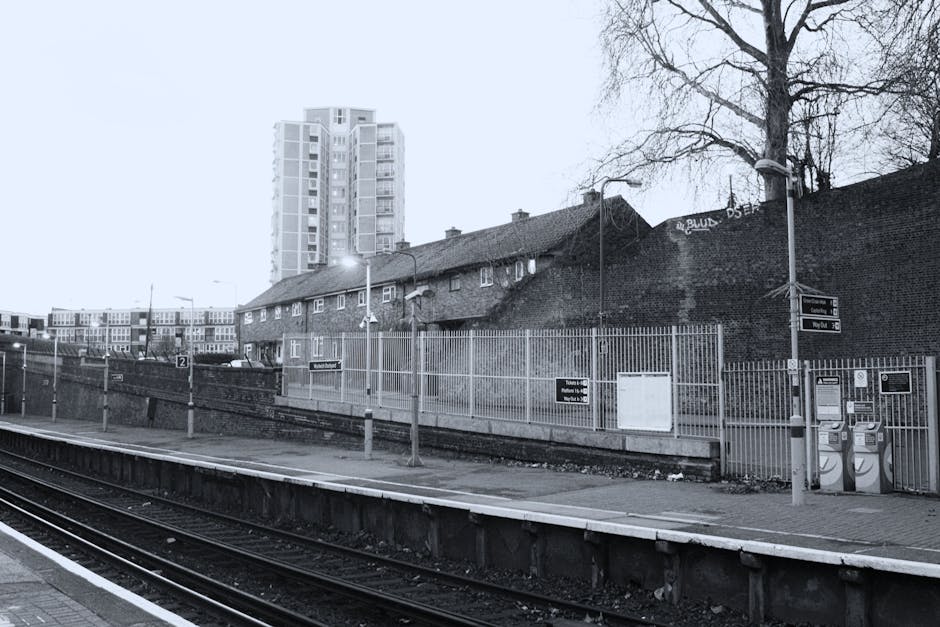
East Croydon station removal tips for tricky access
Posted on 20/06/2026
East Croydon Station Removal Tips for Tricky Access
If you are planning a move near East Croydon station, the hardest part is often not the packing. It is the access. Tight streets, busy traffic, limited stopping space, awkward stairwells, lift restrictions, and the general bustle around the station can turn a simple removal into a slightly chaotic morning. This guide to East Croydon station removal tips for tricky access is designed to help you plan properly, avoid expensive delays, and move with far less stress. Truth be told, a bit of local know-how goes a long way here.
Whether you are moving from a flat above a parade of shops, a modern apartment with managed entry, or a period property where the front path is barely wide enough for a suitcase, the same principle applies: prepare for the access first, then the boxes. That order matters more than people think.
For broader support with local moving arrangements, you may also find it useful to look at removals in Croydon, flat removals Croydon, and man with a van Croydon if your move is on the smaller, tighter side.
Why East Croydon station removal tips for tricky access Matters
Access issues are not a small detail. Around East Croydon station, they are often the difference between a move that feels organised and a move that feels like everyone is trying to park, reverse, and carry wardrobes at the same time. If the van cannot stop close enough, if the walkway is narrow, or if the route into the property involves stairs and corners, every extra metre adds time and risk.
This matters for three reasons. First, heavy items become harder to carry safely. Second, your move takes longer, which can affect costs and timing. Third, the more rushed the team feels, the more likely it is that something gets scratched, bumped, or dropped. Nobody wants to be standing on a pavement at 8:15 a.m. wondering whether the sofa will fit through the building entrance. It happens, though.
Good planning is even more important near transport hubs because the environment is rarely calm. You may have pedestrians, station traffic, delivery vehicles, and building access rules all in play. A move that looks straightforward on paper can become awkward very quickly if the crew arrives without a clear parking plan or a lifting strategy.
That is why experienced local movers think in terms of route, distance, timing, and handling sequence, not just van size. If you want a more complete picture of service options, the services overview and removal services Croydon pages are a sensible starting point.
How East Croydon station removal tips for tricky access Works
The idea is simple: reduce friction before moving day. In practice, that means assessing the property and the surrounding streets, then deciding how the move should be loaded, parked, carried, and timed. A proper access plan usually starts with questions like these:
- Where can the van legally and safely stop?
- How far is the vehicle from the front door or lift?
- Are there stairs, narrow hallways, or tight turns?
- Is there a lift, and if so, what size is it?
- Are there any restrictions from the building, landlord, or management company?
- Will the move be easier early morning, midweek, or outside commuter rush?
Once those questions are answered, the job can be broken down into realistic stages. For example, small or fragile items may travel first so the team can build momentum. Bulky furniture may be taken apart in advance. Large wardrobes may be moved with protective wraps and extra hands. If the route is awkward, it may be smarter to use more trips with a smaller vehicle rather than gambling on a large van that cannot get in close enough.
That is the real logic behind tricky-access removals: the goal is not to do everything in one dramatic lift. It is to make the process calmer, safer, and more predictable. A good mover will also factor in insurance and safety considerations, which is why pages like insurance and safety and health and safety policy can be useful if you want to understand standards and responsibilities.
Key Benefits and Practical Advantages
Planning around access near East Croydon station gives you practical wins that show up immediately on moving day. The obvious one is time saved, but there are a few others worth calling out.
- Less carrying distance: if the van can park sensibly, your movers spend less time walking items back and forth.
- Lower damage risk: fewer awkward turns and fewer hurried lifts mean fewer scuffs on walls and furniture.
- Better crew efficiency: the team can work in a steady rhythm instead of stopping every few minutes to adjust the plan.
- Reduced stress: when access is sorted, the whole day feels much more controlled. You notice the difference straight away.
- More accurate quotes: the clearer the access picture, the easier it is for a mover to estimate time and vehicle requirements.
There is also a quieter benefit: better communication. Once the access issues are laid out clearly, everyone knows what to expect. That sounds small, but it prevents a lot of silly misunderstandings. For customers who are comparing providers, it can help to review a reliable removal companies Croydon page and compare how different firms talk about planning, access, and safety rather than just price.
Expert summary: With tricky access, the best removal plan is the one that reduces carrying distance, protects the building, and gives the crew room to work without improvising under pressure.
Who This Is For and When It Makes Sense
This advice is relevant if you live or work anywhere around East Croydon station where parking, entry, or stair access is not straightforward. In practical terms, that includes:
- people moving from flats with lifts that are shared, slow, or too small for larger items;
- households on busy roads where stopping outside the property is tricky;
- students moving in or out with limited furniture but awkward access;
- office teams shifting equipment from upper floors or managed buildings;
- anyone with large furniture, antiques, instruments, or fragile pieces;
- move dates that fall during busy commuting periods or alongside other deliveries.
If you are moving a single sofa and a few boxes, you might only need a smaller vehicle and careful parking. If you are moving a whole household, or you are dealing with stairs, a controlled plan becomes much more valuable. The same is true if you have a piano. In that case, specialist handling really matters, so it is worth looking at piano removals Croydon rather than assuming every mover will handle it the same way.
It also makes sense to think ahead if your move involves temporary storage, because tricky access sometimes means spreading the move over two stages. If that sounds familiar, storage Croydon can be helpful as part of a phased move.
Step-by-Step Guidance
Here is a practical way to organise an access-sensitive move near East Croydon station.
- Inspect the route early. Walk from the street to the front door, lift, or loading point. Count steps. Check for tight corners, low ceilings, door widths, and any bottlenecks.
- Measure the bulky items. Do not rely on memory. Measure beds, wardrobes, sofas, tables, and appliances. If something looks borderline, assume it needs extra planning.
- Check parking and stopping options. Find out where the van can realistically stop and how long it can stay there. A legal space that is too far away may not actually help.
- Speak to the building or landlord. Ask about lift booking, move-in windows, protective covering, and any rules for communal areas. Some places are more organised than they look from the outside.
- Decide what should be dismantled. Beds, tables, and some wardrobes move better in parts. Pre-disassembly can save time and reduce the risk of damage.
- Pack by carry order, not just room. Put heavy but manageable items in easy-to-grab boxes. Keep essential items separate. That way the unload feels smoother.
- Choose the right vehicle size. In narrow or busy access areas, smaller or medium vehicles can sometimes be more practical than a big van.
- Schedule smartly. Early starts can help you avoid commuter pressure near the station. Midweek often works better than Friday if you need breathing room. Not always, but often enough.
- Brief the movers clearly. Tell them about stairs, access codes, lift restrictions, items that need special care, and any nearby parking challenges.
- Keep a backup plan. If the intended stopping point is blocked, you need a Plan B. That could be a different parking spot, a second carry route, or a smaller vehicle.
For people who want help with the packing side of that process, packing and boxes Croydon is a useful reference. And if the move needs to be completed quickly, same day removals Croydon may be relevant, though of course only if the access situation is still manageable.
Expert Tips for Better Results
Here is where the little details pay off. These are the things that tend to separate a decent move from a genuinely smooth one.
1. Protect the route, not just the furniture. Door frames, bannisters, communal hallways, and corners are all vulnerable when access is tight. Simple coverings and corner protection can make a huge difference.
2. Keep a clear landing zone. If the hallway outside the flat is crammed with bags, shoes, and bikes, the crew has nowhere to work. Clear the path fully. It sounds obvious, but people forget in the rush.
3. Use labels that actually help. "Kitchen" is fine. "Kitchen - fragile pans" is better. The extra information helps when boxes are being carried in a hurry through a narrow stairwell.
4. Split the move into sensible batches. You do not need to load everything in one go if access is tight. In fact, a staged loading plan can be safer and faster.
5. Be realistic about time. Moving from a difficult-access property often takes longer than a standard suburban driveway move. Build in a bit of slack. No one likes a moving day that starts with panic and ends with takeaway at 10 p.m.
6. Choose experience over bravado. A mover who has seen awkward access before will usually make calmer decisions. That is worth more than a flashy promise. To be fair, moving is one of those jobs where calm competence beats drama every single time.
If you are weighing up service options, it can also help to look at man and van Croydon for smaller loads or house removals Croydon for larger, more complex moves.

Common Mistakes to Avoid
Most problems with tricky access are predictable. That is the good news. The less good news is that people repeat them all the time.
- Assuming the van will "just fit". Streets around a station can look manageable until a parked car, delivery vehicle, or narrow turn changes everything.
- Forgetting lift restrictions. Managed buildings often have rules about booking, padding, or load limits. Ignoring them can create friction before the first box is even moved.
- Leaving dismantling too late. Flat-pack furniture and large beds take longer than expected. When access is tight, delay is expensive.
- Packing too many heavy boxes. A heavy box is fine on a short, easy carry. It is not fine up three flights of stairs. Keep loads sensible.
- Not telling the movers about obstacles. If there is a low archway, a coded gate, or a restricted entrance, say so early.
- Booking at the busiest time possible. Peak congestion near East Croydon can make parking harder and increase delays.
One more common slip: people underestimate how tiring repeated short carries can be. That is the sneaky one. It does not feel dramatic at first, but by the third trip everyone is blinking at the same corridor and wondering why the day feels longer than it should.
Tools, Resources and Recommendations
You do not need a van full of specialist gadgets to manage tricky access, but a few practical tools can make the day far easier.
- Measuring tape: for doors, hallways, lifts, and furniture dimensions.
- Furniture blankets and covers: helpful for protecting wood, fabric, and painted walls.
- Straps and trolleys: useful when items need to be moved steadily over short distances.
- Labels and marker pens: keep boxes organised when they are stacked in a corridor or lift lobby.
- Protective floor covering: especially useful if there is a communal entrance, polished flooring, or fresh decorating.
From a service point of view, the most useful supporting pages are often the ones that clarify how the move is handled rather than only describing the headline service. That is why furniture removals Croydon, removal van Croydon, and removal services Croydon can be helpful if you are deciding how much support you actually need.
If you are comparing prices, use a page like pricing and quotes to frame the discussion around access, carrying distance, and item count. That usually leads to a more accurate conversation than asking for a ballpark number with no context. And, honestly, ballparks are how misunderstandings start.
Law, Compliance, Standards, or Best Practice
For a move near East Croydon station, the main compliance issues are usually practical rather than legal in the dramatic sense. You need to think about parking restrictions, safe lifting, property access rules, and protection of shared areas. Depending on the location, there may be local parking rules, loading limits, or building management conditions to follow. These can vary, so it is sensible to check in advance rather than assume the pavement is fair game.
Good movers also work to sensible industry standards around handling, risk assessment, and communication. In plain English, that means they should plan the job before lifting, use the right equipment, and avoid unnecessary risk to people or property. If you have vulnerable access points, the crew should be careful with them. If a route is unsafe, they should pause and rethink it. That is not overcautious. It is basic professionalism.
For customers, best practice is straightforward:
- share accurate information early;
- avoid hiding access complications in the hope that they will not matter;
- keep communal areas clear;
- respect building rules and nearby residents;
- choose a mover that talks sensibly about safety and planning.
If you want to understand the wider standards and how the business handles trust, take a look at about us, insurance and safety, and the company's accessibility statement. Those pages can tell you a lot about how seriously a provider takes clear communication and inclusive service.
Options, Methods, or Comparison Table
Different access problems call for different moving methods. Sometimes the smartest choice is a smaller vehicle. Sometimes it is a crew with more hands. Sometimes it is a staged move with storage in between. Here is a simple comparison.
| Method | Best for | Advantages | Trade-offs |
|---|---|---|---|
| Small van / man and van | Single flats, lighter loads, narrow streets | Easier parking, more flexible, often quicker to position | May need more trips for larger moves |
| Full removal van | Whole-house or larger flat moves | More capacity, efficient for bigger loads | Harder to place in tight access areas |
| Staged move with storage | Complex access, delayed completion, downsizing | Less pressure on moving day, useful for phased handovers | Requires extra planning and possibly extra handling |
| Specialist item handling | Pianos, large wardrobes, fragile furniture | Better protection for high-risk items | May cost more and need specialist timing |
There is no single winner here. The right method depends on the property, the street, the load, and how much time you have. If you are moving from a small flat or student accommodation, student removals Croydon may be the most natural fit. For larger family homes, the better match may be house removals Croydon.
Case Study or Real-World Example
Picture a move from a top-floor flat not far from East Croydon station. The street is busy, the entrance is shared, and the lift is small enough that two people can barely stand comfortably with a tall mirror. Nothing is impossible, but it is definitely not "easy mode".
In a situation like that, the strongest approach is usually to reduce the load on the busiest parts of the route. That might mean dismantling the bed in advance, moving the largest boxes first while the corridor is still clear, and positioning the van in the closest safe stopping spot rather than the most convenient-looking one. If the lift is tiny, fragile or bulky items may be carried by stair instead, one piece at a time, with careful rotation around the corners. Slow is smoother. Smoother is faster, weirdly enough.
What makes the move work is not luck. It is sequence. The team clears the route, protects the walls, checks the route again, then works in a rhythm that suits the building instead of fighting it. There is usually a point where everyone realises the plan is holding together. That is the moment you can almost hear the stress drop out of the room.
For a business move in a similar access setting, the same logic applies, only with more desks, cables, and awkward IT kit. That is where office removals can be a useful service reference if you are moving teams or equipment rather than a single household.
Practical Checklist
Use this before moving day. It keeps things simple.
- Measure furniture, doors, hallways, and lift dimensions.
- Confirm where the van can stop legally and safely.
- Tell the mover about stairs, codes, and building rules.
- Book lift access if the building requires it.
- Dismantle beds and large furniture where possible.
- Label fragile boxes and heavy boxes clearly.
- Clear corridors, stairwells, and shared entrances.
- Protect floors, corners, and bannisters.
- Keep essential items separate for first access at the new property.
- Have a backup plan if the access point is blocked.
If you are uncertain about the type of service you need, the safest route is usually to compare the move type first and the quote second. The service fit matters. A good starting point is services overview and, if you want broader company context, about us.
Conclusion
East Croydon station removal tips for tricky access are really about one thing: removing uncertainty before it turns into delay. If you understand the route, measure properly, brief the movers clearly, and choose the right method for the space you actually have, the day becomes far easier. It will never be glamorous. Moving rarely is. But it can be calm, efficient, and a lot less stressful than people fear.
The best moves around busy station areas are the ones that respect the street, the building, and the reality of heavy furniture in tight places. Plan the access first, and the rest tends to follow.
Get a free quote today and see how much you can save.
If you are ready to talk through a tricky layout or a tight moving window, the most sensible next step is to get in touch and share the access details early. A little clarity now can save you a lot of faff later.